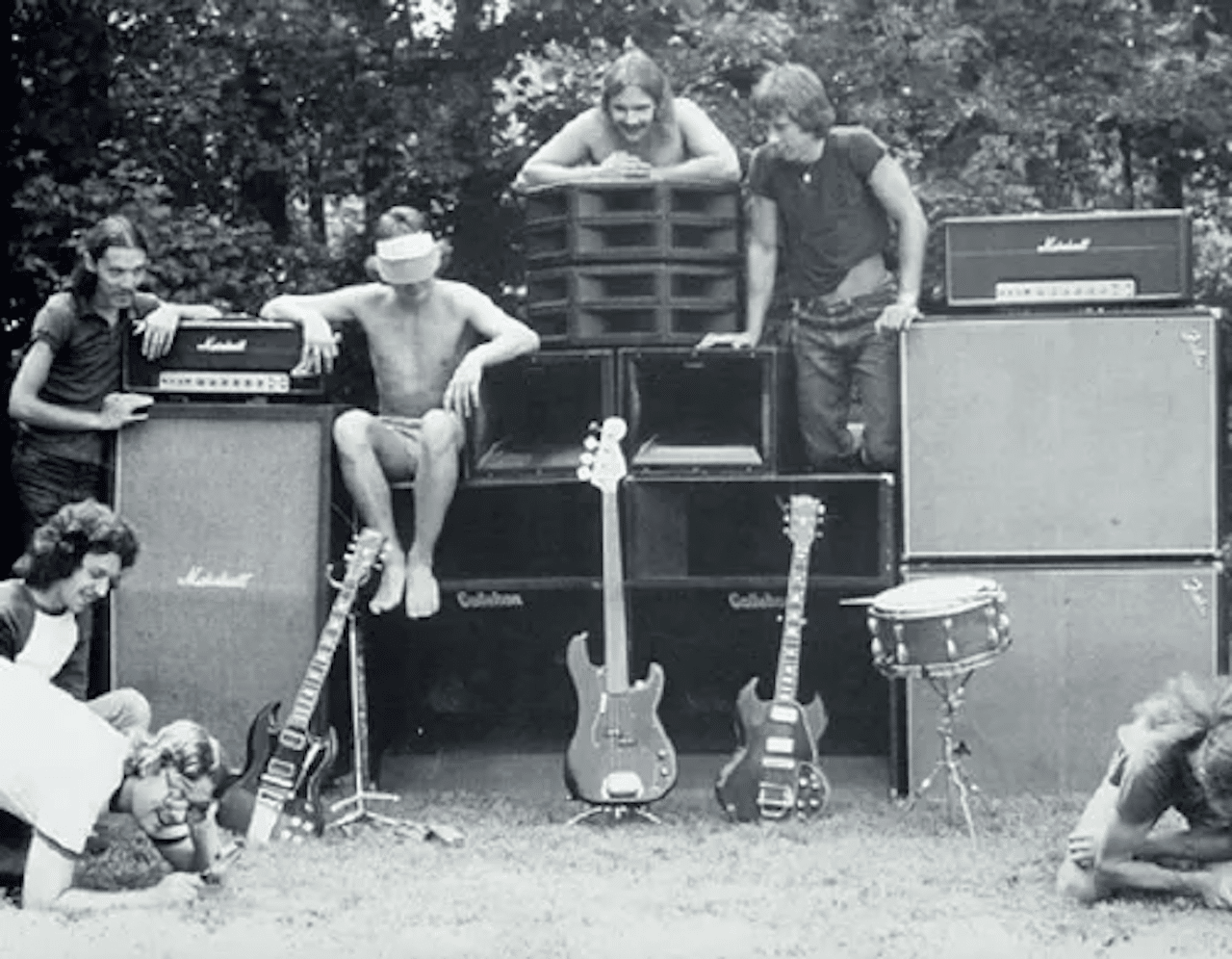
When you look at the landscape of underground psychedelic rock in the mid-1970s, few records stand out like George Brigman’s Jungle Rot LP. Released in 1975 when Brigman was only 18 years old, the album captured the raw, primitive, and brutal energy of DIY production at a time when the industry was dominated by polished studio work. Today, original copies fetch high prices among collectors, while reissues from RidingEasy Records have introduced his fuzz-drenched sound to new generations.
This article examines Brigman’s distinctive role as a young guitarist from Baltimore, his acid-fueled influences, and how his debut album became an underground classic that continues to inspire fans of punk rock, heavy metal, and psychedelic music.
George Brigman grew up in Baltimore and began playing music in his teens, drawing inspiration from American blues, British heavy rock, and local garage scenes. By the age of 18, he had written and recorded a set of tracks that would define his career. Unlike many artists, Brigman didn’t rely on big studios or industry backing; instead, he embraced a DIY ethos, recording his material independently and pressing his own phonograph records.
This independence gave Brigman’s sound an unmistakable raw edge. Critics have compared his work to outsider legends like Captain Beefheart, as well as innovative guitarists such as Harvey Mandel and Johnny Winter.
The Jungle Rot album has been called a fuzz guitar ripper, drenched in distortion and buzzing with the spirit of rebellion. It wasn’t just music; it was an attitude—an underground statement of defiance against commercial rock.
Listeners found it both alien and familiar. The record combined the heavy boogie of The Groundhogs, the acid-soaked improvisation of American garage bands, and the youthful energy of a kid barely out of high school.
When Brigman cut the Jungle Rot LP, most psychedelic rock had already peaked earlier in the decade. But Brigman’s debut felt like a throwback—yet sharper and more immediate. His acid-fueled guitar tone and lo-fi recording methods gave the album a primitive and brutal character, one that was missing from the slicker productions of the time.
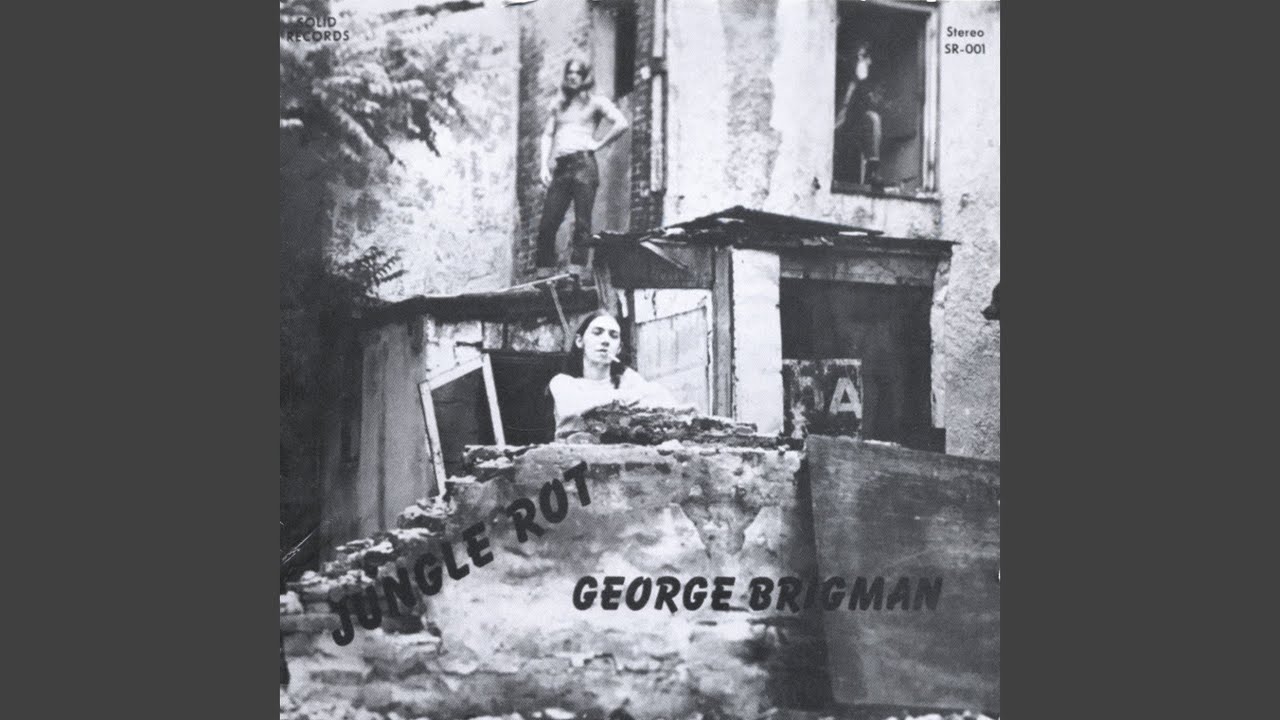
For collectors, the record is special because original copies fetch hundreds of dollars. The homemade sleeve art, hand-assembled in small batches, only adds to the mystique.
Unlike bands from San Francisco or London, Brigman emerged from Baltimore, a city better known for its soul and funk in the 1970s than for fuzz-driven rock. This outsider status made his music all the more remarkable. Brigman carved out his own identity, pulling from folk music, boogie, and hard-hitting garage sounds.
Baltimore’s gritty environment lent authenticity to his work. In a sense, Jungle Rot was the voice of a city that wasn’t on the national music map—but had plenty to say.
The sound of Brigman’s debut blends acid guitar freakouts with heavy bass lines and blues-based riffs. Tracks like It’s Takin’ So Long and I’m Married Too show his range—combining boogie grooves with screeching distortion.
The record is often described as acid-fueled, with Brigman pushing his equipment to its limits. His guitar cuts through the mix like broken glass, earning him cult status as a true fuzz guitar ripper.
Decades after the initial release, Brigman’s music found new life when RidingEasy Records reissued Jungle Rot. Known for their Brown Acid compilation series, RidingEasy specializes in resurrecting forgotten classic underground tracks.
By pressing new vinyl and CD editions, the label made Brigman’s music accessible to collectors who couldn’t afford or locate the scarce originals.
 Is Jungle Rot a Punk or Metal Album?
One of the most interesting debates among fans is whether Jungle Rot should be classified as punk, metal, or simply outsider rock. While Brigman never claimed a specific genre, the album’s heavy riffs and defiant DIY ethos align closely with early punk rock.
At the same time, the thick distortion and relentless drive also anticipate later developments in underground metal. In truth, Brigman’s work is best described as a psychedelic hybrid that broke rules instead of following them.
Although it wasn’t part of Jungle Rot, Brigman carried his distinctive style into later work. “Blowin’ Smoke”, the opening track on his 1977 follow-up I Can’t Get With It, is often highlighted as a continuation of his lo-fi experimentation and confrontational edge. The song shows how Brigman refined his raw fuzz-driven sound while staying true to the underground spirit that made Jungle Rot an enduring classic.
Part of the magic of Brigman’s debut lies in its physical presentation. The handmade sleeve, the tiny pressing numbers, and the raw quality make each copy feel like a piece of underground art.
For record enthusiasts, the vinyl format matters because it captures the warmth and imperfection of Brigman’s sound. That’s why original copies fetch such high prices in collector circles.
Though he never became a household name, George Brigman remains a symbol of independence in music history. His DIY approach paved the way for later underground artists, proving you didn’t need a major label to create lasting art.
For fans of Johnny Winter, Harvey Mandel, and Captain Beefheart, Brigman is a missing puzzle piece—an underground classic that bridges blues-rock, psychedelia, and early punk rock.
1. Who is George Brigman?
George Brigman is a Baltimore-born musician who released the underground classic “Jungle Rot” LP at the age of 18 in 1975.
2. Why is Jungle Rot so valuable?
Because original copies were pressed in small numbers with handmade sleeves, original copies fetch high prices among collectors today.
3. What genre is George Brigman’s music?
His sound blends elements of psychedelic, garage, punk, and heavy rock, making it difficult to categorize into a single genre.
4. Has Jungle Rot been reissued?
Yes, RidingEasy Records has reissued the album on vinyl and CD, making it more accessible to modern listeners.
5. How does Brigman compare to other artists?
Fans often compare his sound to Captain Beefheart, Johnny Winter, and Harvey Mandel, but with a more raw and primitive edge.